
More people are living in smaller spaces than ever before. Urban apartments, compact homes, and studio living are increasingly common. Yet designing a beautiful, functional small living room doesn’t have to be difficult.
The good news is that small spaces create opportunities for creative, intentional design. Constraints often lead to better solutions and more purposeful choices. This guide provides 35 small living room ideas organized by strategy to help you maximize your space beautifully and functionally.
Why Small Living Room Design Matters
Small living rooms require thoughtful, intentional design to function well. Every piece of furniture and decor choice impacts how your space feels and functions. Good small space design improves both daily living and your home’s appeal.
Living in a small space teaches you what really matters. You learn to prioritize quality over quantity and functionality over excess. Small spaces designed well feel spacious, peaceful, and distinctly yours.
Layout and Arrangement Ideas
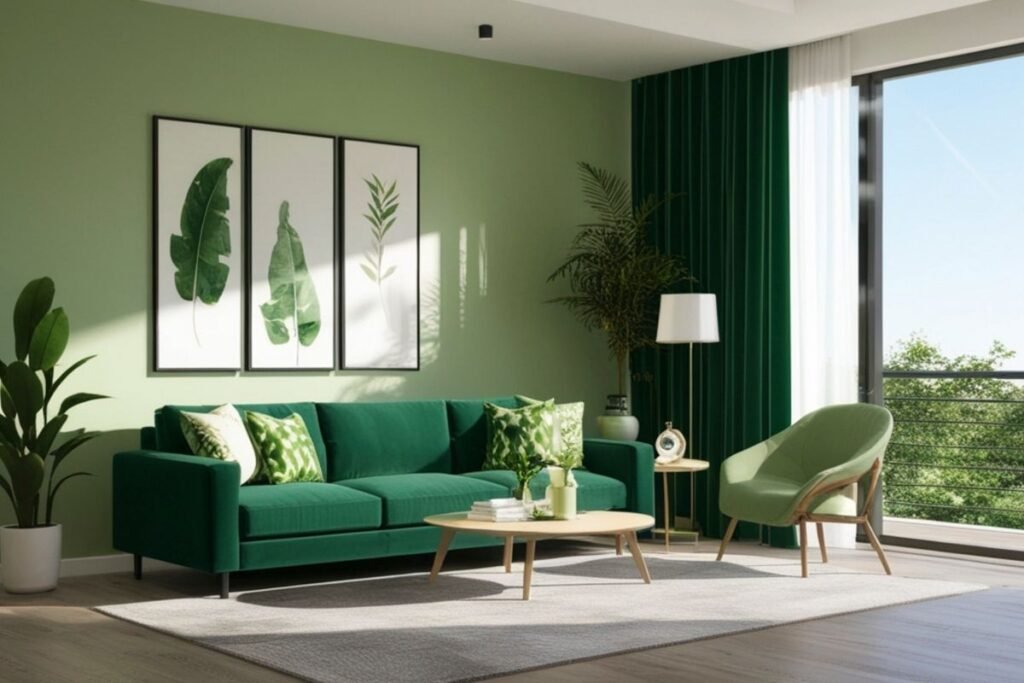
Smart furniture arrangement transforms small living rooms significantly. These ideas optimize flow and perception of space.
Idea 1: Floating Furniture Away from Walls
Floating furniture means arranging pieces in the room’s center rather than against walls. This creates natural conversation areas and improves traffic flow dramatically.
Arrange your sofa and chairs facing each other in a conversation grouping. Keep pathways clear around the perimeter. This arrangement makes spaces feel more open despite being small.
Also read: Interior Design Ideas for Beginners: Beautiful Rooms You Can Create
Idea 2: Vertical Orientation Strategy
Vertical design draws the eye upward and makes ceilings appear higher. Using height efficiently maximizes space without adding floor clutter.
Install tall bookcases and wall-mounted storage. Decorate vertically with artwork. This strategy transforms how spacious your room feels.
Idea 3: Multi-Functional Focal Point
Creating one focal point that serves multiple purposes reduces clutter and organizes your space. A media console doubling as storage works perfectly.
Choose one area to anchor your design. Let this focal point define the room’s purpose. This simplifies design and improves functionality.
Idea 4: Traffic Flow Optimization
Planning traffic patterns before arranging furniture prevents awkward layouts and improves usability. Clear pathways make spaces feel larger and function better.
Identify natural entry points and destinations. Arrange furniture to create clear paths. This improves both perception and actual usability.
Idea 5: Diagonal Furniture Placement
Angling furniture instead of using straight edges creates visual interest and improves flow. Diagonal arrangements feel more dynamic and creative.
Angle your sofa or key pieces thoughtfully. Create visual interest through angles. This works especially well in square rooms.
Idea 6: Zoning Without Walls
Creating separate functional zones in open spaces defines purposes without reducing perceived space. Area rugs and lighting naturally divide zones.
Use rugs to define seating areas. Use different lighting for different zones. This creates multiple functional areas in one space.
Color and Light Ideas
Colors and light dramatically affect how spacious small rooms feel. Strategic choices transform perception and mood.
Idea 7: Light Color Palette Strategy
Using primarily light colors throughout your space reflects light and expands perception. Light colors are transformative for small rooms.
Paint walls in whites, creams, or light grays. Choose light-colored furniture. Light colors make spaces feel significantly larger.
Idea 8: Monochromatic Color Scheme
Using variations of a single color throughout creates visual continuity and cohesion. This unified approach makes rooms feel larger and more sophisticated.
Choose one color and use different shades and tones. Vary lightness throughout. This creates elegant, spacious feeling.
Idea 9: Strategic Accent Wall
One bold wall while keeping others light creates personality without overwhelming. A single accent wall adds interest safely.
Choose one wall for color or pattern. Keep other walls neutral and light. This adds character without consuming visual space.
Idea 10: Mirror and Reflective Surfaces
Mirrors reflect light and create illusion of depth and space. Strategic mirror placement dramatically improves perception of size.
Place mirrors opposite windows to bounce light. Use reflective decor and surfaces. Mirrors are transformative for small spaces.
Idea 11: Maximizing Natural Light
Natural light makes spaces feel larger, brighter, and better. Optimizing windows should be a priority in small rooms.
Keep windows clear and unobstructed. Use sheer curtains that allow light through. Natural light is your most powerful space-expanding tool.
Idea 12: Layered Lighting Design
Multiple light sources at different levels create flexibility and improve space perception. Good lighting improves both function and feeling.
Use overhead, task, and accent lighting. Add dimmers for mood flexibility. Good lighting is essential for small spaces.
Furniture Selection Ideas
Choosing appropriately-scaled furniture is crucial for small living rooms. Right-sized pieces prevent overwhelming your space.
Idea 13: Appropriately-Scaled Furniture
Furniture must be proportional to your room’s size. Oversized pieces overwhelm small spaces and block traffic flow.
Measure your space carefully. Choose apartment-scale furniture. Right-sized furniture prevents cramped feeling.
Idea 14: Multi-Functional Furniture
Pieces serving multiple purposes reduce total furniture needed while maximizing function. Multi-functional pieces are essential for small spaces.
Choose storage ottomans, sofa beds, and console tables. Select pieces with built-in storage. Multi-purpose furniture is space-saving genius.
Idea 15: Low-Profile Furniture
Furniture with exposed legs and open areas underneath creates airiness. Low-profile pieces maintain visual openness.
Choose furniture with exposed legs. Avoid skirted or solid-base pieces. Visible floor space improves perceived space.
Idea 16: Nesting Tables and Stackable Pieces
Nesting tables and stackable chairs provide function while saving space. These pieces adapt to your needs.
Choose tables that nest together. Select stackable chairs when possible. Flexible furniture works perfectly for small spaces.
Idea 17: Transparent or Glass Furniture
Glass, acrylic, and transparent materials don’t interrupt sightlines. Transparent furniture maintains visual lightness.
Use glass coffee tables or acrylic side tables. Choose clear storage pieces. Transparent furniture is invisible space-saver.
Idea 18: Built-In and Wall-Mounted Furniture
Furniture attached to walls frees floor space and creates streamlined look. Built-in pieces are space-maximizing solutions.
Install wall-mounted desks or shelves. Consider built-in seating. Wall furniture preserves precious floor space.
Storage and Organization Ideas
Smart storage keeps small spaces functional and uncluttered. These solutions hide items while keeping them accessible.
Idea 19: Vertical Storage Solutions
Using walls for storage preserves floor space efficiently. Vertical storage maximizes unused space.
Install tall bookcases and wall shelves. Use vertical cabinets. Vertical storage is small-space essential.
Idea 20: Under-Furniture Storage
Space under furniture is perfect for hidden storage. Rolling drawers and storage boxes use wasted space.
Add storage boxes under sofas. Use rolling drawers under beds. Under-furniture storage is invisible solution.
Idea 21: Corner Utilization
Corners are natural dead zones that can store efficiently. Corner-specific solutions maximize wasted space.
Install corner shelves or seating nooks. Use corner storage. Corners become functional with smart solutions.
Idea 22: Open Shelving Strategy
Open shelves are visually lighter than closed cabinets. Open shelving adds airiness while storing.
Install open shelves instead of closed storage. Keep items organized and styled. Open shelving stores while maintaining openness.
Idea 23: Dual-Purpose Storage Decor
Storage items that serve decorative purposes both organize and beautify. Functional decor items create organized aesthetic.
Use decorative baskets for storage. Style shelves beautifully. Functional decor items solve two problems.
Idea 24: Hidden Storage Integration
Camouflaging storage into furniture maintains clean aesthetic. Storage ottomans and console tables hide items beautifully.
Choose storage ottomans and hidden storage furniture. Maintain minimalist look while storing. Hidden storage is invisible solution.
Decor and Styling Ideas
Thoughtful decor adds personality without overwhelming small spaces. These ideas create interesting, intentional spaces.
Idea 25: Minimalist Decor Approach
Keeping decor minimal reduces visual clutter and improves space perception. Less is genuinely more in small spaces.
Display only meaningful, intentional items. Keep surfaces clear. Minimalist approach maximizes perceived space.
Idea 26: Statement Piece Strategy
One bold decorative piece instead of many small ones creates focal point without clutter. Statement pieces add personality efficiently.
Choose one statement artwork or lamp. Keep rest simple. Statement pieces add interest without excess.
Idea 27: Vertical Wall Decor
Decorating walls from floor to ceiling draws eye upward. Vertical decoration uses often-empty wall space.
Create vertical visual interest on walls. Use tall artwork or plants. Vertical decor optimizes wall space.
Idea 28: Plant and Greenery Focus
Plants add life and visual interest without taking much physical space. Greenery improves air quality and aesthetics.
Use hanging plants and tall plants. Create plant displays. Greenery adds life and interest affordably.
Idea 29: Artwork and Prints Strategy
Art decorates without adding physical bulk to your space. Artwork is space-efficient decoration.
Use bold prints and strategic placement. Create gallery walls. Art decorates without clutter.
Idea 30: Textural Variation Instead of Clutter
Using texture adds visual richness without accumulating items. Textured surfaces create depth without bulk.
Focus on textures rather than quantities. Use textured rugs and pillows. Texture enriches without cluttering.
Specialized Small Space Ideas
Specific room types need tailored solutions. These ideas address unique small space challenges.
Idea 31: Studio Apartment Specific
Studio apartments are single open rooms requiring special solutions. Zoning and smart furniture choices define spaces.
Use furniture to create zones. Add sliding partitions if possible. Studio solutions create defined spaces within one room.
Idea 32: Narrow Room Solutions
Long narrow rooms require specific arrangement strategies. Lengthwise arrangement works best for narrow spaces.
Arrange furniture along the room’s length. Use mirrors to widen perception. Narrow room solutions address proportional challenges.
Idea 33: Dark Small Room Enhancement
Dark small rooms need brightening and light compensation. Light colors and mirrors are essential.
Use light colors and mirrors extensively. Add bright lighting. Light and mirrors compensate for darkness.
Idea 34: Awkward Layout Solutions
Rooms with odd shapes need creative solutions. Working with layout rather than against it maximizes space.
Embrace unusual features creatively. Arrange furniture to highlight positive aspects. Awkward layouts become opportunities.
Idea 35: Rental-Friendly Small Space
Renters need solutions without permanent changes. Removable elements allow improvement without landlord concerns.
Use removable peel-and-stick wallpaper. Add removable wall hooks. Rental solutions improve without permanence.
Small Living Room Styles That Work Well
Certain styles work particularly well for small spaces. These approaches maximize small space design.
Modern minimalist emphasizes clean lines and light colors. Scandinavian style prioritizes light and functionality. Contemporary design stays streamlined and efficient. Industrial style uses vertical and efficient space organization. Bohemian minimal combines color with intentional organization. Mid-century modern uses scaled-down iconic pieces.
Choose a style matching your preferences and small space needs.
Common Small Living Room Mistakes
Avoiding mistakes improves functionality and perception significantly. Here are pitfalls to prevent.
Oversized furniture overwhelms small spaces immediately. Too much decor accumulates visual clutter. Dark colors shrink space perception. Heavy window treatments block precious light. Lack of storage creates clutter. No focal point feels disorganized. Poor furniture arrangement blocks traffic flow. Insufficient lighting diminishes perception. Ignoring vertical space wastes opportunities. Wrong-scaled furniture creates discomfort.
Avoiding these mistakes transforms small living rooms.
Small Living Room Furniture Selection Guide
Choosing right furniture is crucial for small spaces. Here are essential pieces and considerations.
Seating should be appropriately scaled and multi-functional. Choose apartment-scale sofas or loveseats. Select chairs with exposed legs. Tables should be proportional and may nest or have storage. Coffee tables, nesting tables, and wall-mounted consoles work well. Storage should emphasize vertical solutions and hidden storage. Tall bookcases, wall shelves, and storage ottomans are essential. Lighting needs should include table lamps, wall sconces, and floor lamps. Dimmers improve flexibility and mood.
Good furniture selection is foundation for successful small space design.
Color Palettes for Small Living Rooms
Colors affect space perception significantly. These strategies guide color choices.
Light palettes use whites, creams, and pale grays. Light colors expand perceived space. Monochromatic schemes use one color in varying shades. Continuity creates cohesive feeling. Neutral with accent uses light base with one accent color. This balances interest and space. Cool palettes use blues, greens, cool grays. These promote calm spacious feeling. Warm neutral palettes use soft beiges and warm whites. These create coziness while expanding space.
Color choice is your most powerful design tool for small spaces.
Budget-Friendly Small Living Room Ideas
Great small space design works at any budget. Here are affordable solutions.
Rearrange existing furniture for new layout without spending. Paint walls in light colors affordably. Create DIY storage solutions cheaply. Shop thrift stores for appropriately-scaled pieces. Use mirrors affordably to expand perception. Add plants inexpensively for life. Invest in one quality piece if budget allows. Add art and prints affordably. Update lighting to improve perception. Declutter and organize free.
Budget-conscious design teaches intentional choices.
Frequently Asked Questions About Small Living Room Ideas
How do I make a small living room look bigger?
Use light colors and mirrors strategically. Maximize natural light. Choose appropriately-scaled furniture. Keep surfaces clear and organized.
What’s the best furniture layout for small living rooms?
Create conversation areas with floating furniture. Maintain clear traffic flow. Use corners efficiently. Arrange furniture to highlight positive features.
Can I fit a large sofa in a small living room?
Choose apartment-scale sofas or loveseats instead. Measure carefully before purchasing. Consider sectionals designed for small spaces.
How do I add storage without cluttering?
Use vertical shelving and wall-mounted solutions. Choose hidden storage furniture. Keep items organized and displayed intentionally.
What color should I paint a small living room?
Use light colors like whites, creams, or light grays. These expand perceived space. Add one accent wall if desired.
Do mirrors really make rooms look bigger?
Yes, mirrors reflect light and create depth. Place mirrors opposite windows for maximum effect. Use strategically throughout.
How do I arrange furniture in a studio apartment?
Define zones with rugs and lighting. Use multi-functional furniture. Maintain clear traffic patterns.
What lighting works best for small rooms?
Layer different light sources. Use dimmers for flexibility. Avoid harsh overhead lighting.
Can I have style in a small living room?
Absolutely, use statement pieces and intentional design. Quality matters more than quantity. One bold element adds personality.
How do I prevent a small room from feeling cramped?
Declutter regularly and organize well. Use light colors and maximize light. Choose appropriately-scaled furniture.
Small Living Room Quick Start
Getting started with small living room improvement is simple. Follow these steps.
Step 1: Assess your space in one week. Measure room accurately. Identify focal points and light sources. Evaluate current furniture scale.
Step 2: Gather inspiration over 1-2 weeks. Research small room designs. Create inspiration board. Notice color and style themes.
Step 3: Plan changes in one week. Choose design direction. Plan furniture arrangement. Identify key changes needed.
Step 4: Implement solutions over 2-3 weeks. Rearrange furniture first. Add storage solutions. Update lighting if needed.
Step 5: Refine and optimize ongoing. Evaluate new arrangement. Adjust as needed. Continue improving over time.
Start with rearrangement and build from there.
Conclusion
Small living rooms are solvable design challenges that create opportunities for creativity. Good small space design proves that constraints lead to better solutions.
Start assessing your space this week. Measure your room and gather inspiration. Notice what makes spaces feel larger and better. Then begin implementing changes. Your beautiful, functional small living room is absolutely achievable.