
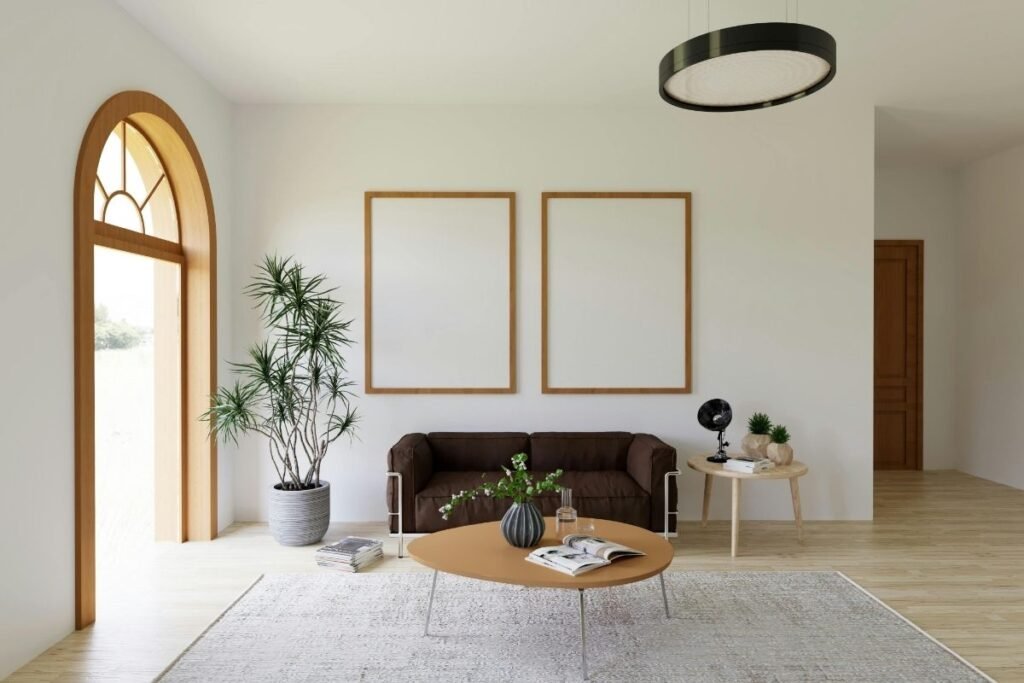
Come explore minimalist home decor with me. Minimalism offers freedom, peace, and intentionality in how you live. What if your home could be beautiful, functional, and calming all at once?
This guide provides 35 minimalist home decor ideas organized by strategy to help you create a peaceful, purposeful home. Minimalist design looks different for everyone based on your values and needs. Start with what resonates most and build your minimalist journey from there.
What Is Minimalist Home Decor
Minimalist home decor emphasizes intentionality, reduction, and keeping only what matters. It’s about removing excess and surrounding yourself with items that serve purpose or bring joy. Minimalism is philosophy, not rigid rules about what you can and cannot own.
Minimalism differs from minimalist modern design by focusing on reduction rather than aesthetic style. Minimalism asks what to remove, while modern design asks how to arrange. Minimalist design can be warm, personal, and deeply inviting. Your minimalism looks different from someone else’s, and that’s perfect.
Also read: Interior Design Ideas for Beginners: Beautiful Rooms You Can Create
Core Philosophy of Minimalist Home Decor
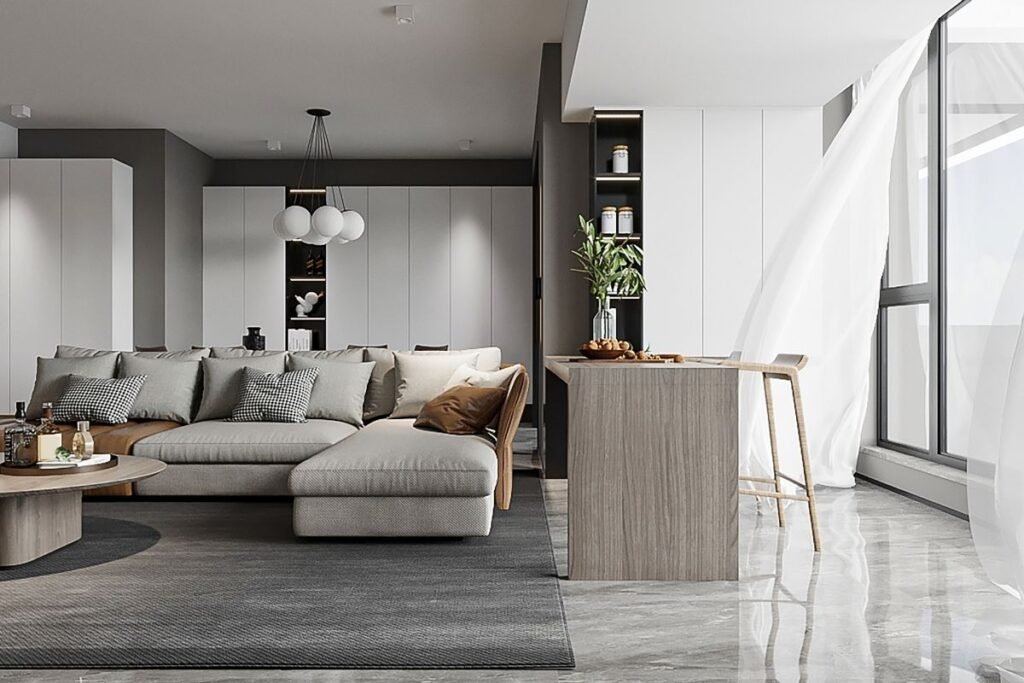
Minimalist design follows clear principles guiding decisions. Understanding these principles helps you apply minimalism authentically to your life.
Intentionality means everything in your space serves purpose or brings genuine joy. Reduction involves removing what doesn’t matter or help you live better. Quality over quantity means choosing well-made pieces over accumulating many items. Peaceful space means designing for calm and reduced mental load. Functionality ensures every piece serves function, not just decoration. Personal values mean aligning home with what matters to you. Freedom comes from fewer possessions meaning more time and money. Mindfulness involves conscious choices about what enters your home. Sustainability reduces consumption and environmental impact.
Decluttering and Reduction Ideas
Starting minimalism begins with removing what doesn’t serve you. These ideas help you reduce intentionally.
Idea 1: Ruthless Decluttering Method
Ruthless decluttering means removing everything unnecessary from your space. This creates immediate impact on how your space feels.
Set aside dedicated time and go through items decisively. Keep only what serves purpose or brings joy. Donate or sell items you don’t need. This transformation happens quickly and powerfully.
Idea 2: One-Year Rule Application
The one-year rule states if you haven’t used something in a year, you likely don’t need it. This provides clear, objective decision criterion.
Review items systematically and ask when you last used them. If not in past year, remove it. This rule works for most categories. Clear decisions become easier with objective standards.
Idea 3: Category-by-Category Decluttering
Decluttering one category at a time prevents overwhelm. Systematic approach builds momentum.
Choose one category like clothing or books. Declutter that entire category completely. Move to next category. Visible progress builds motivation.
Idea 4: Sentimental Item Assessment
Sentimental items create emotional attachment to possessions. Thoughtful assessment honors memories while reducing clutter.
Keep items truly meaningful to you. Photograph others before releasing. Thank items for their place in your life. This creates peaceful release.
Idea 5: Digital Decluttering Integration
Digital clutter affects mental state as much as physical clutter. Extending minimalism to digital spaces completes the journey.
Delete unnecessary apps and files. Organize digital spaces. Unsubscribe from email lists. Digital minimalism supports physical minimalism.
Idea 6: Donation and Release Ritual
Mindful release creates closure when letting possessions go. Rituals make release feel intentional and grateful.
Thank items before donating. Release with gratitude. Give items to those who will use them. This honors items while creating closure.
Idea 7: Empty Space Appreciation
Shifting perspective from fullness to emptiness transforms minimalism. Empty space becomes valued design element.
Celebrate empty shelves and open surfaces. Leave spaces intentionally open. Appreciate breathing room. This changes how you view enough.
Color and Aesthetic Ideas
Colors and aesthetics shape minimalist feel. These ideas create peaceful minimalist foundations.
Idea 8: Monochromatic Minimalist Palette
Using one color in varying shades creates unified, peaceful aesthetic. Monochromatic approach feels cohesive and elegant.
Choose one color and use light to dark variations. Paint walls in lightest shade, use darker accents. Layer different tones throughout. This creates sophisticated, unified feel.
Idea 9: Neutral Minimal Palette
Neutral colors of whites, grays, blacks, and earth tones create calm minimalist space. Neutrals without color accents maximize minimalist feel.
Use only neutral colors throughout. Avoid color accents. Keep palette restrained and simple. This emphasizes minimalism powerfully.
Idea 10: Single Accent Color Minimalist
Neutral palette with one accent color adds personality while staying minimal. One accent prevents overwhelming neutral foundation.
Keep base neutral and light. Choose one accent color. Use accent sparingly in key pieces. This adds life without excess.
Idea 11: Natural Minimal Aesthetic
Nature-inspired colors and materials ground minimalist design. Connecting with nature supports minimalist values.
Use greens, earth tones, and natural neutrals. Add natural materials. Include plants and botanical elements. This creates grounded, organic minimalism.
Idea 12: White Minimalist Space
Predominantly white minimalist design creates maximum lightness and spaciousness. White emphasizes minimalist aesthetic powerfully.
Use whites and off-whites throughout. Keep palette cohesive. Embrace white’s simplicity. This creates brightest minimal space.
Idea 13: Texture Over Color Minimalism
Using texture rather than color adds richness to minimal space. Textures create interest without visual clutter.
Layer woven, knit, and smooth textures. Combine different tactile surfaces. Add textured wall finishes. This creates sophisticated minimal aesthetic.
Furniture and Arrangement Ideas
Minimal furniture creates open, functional space. These ideas arrange furniture intentionally.
Idea 14: Essential Furniture Only
Keeping only necessary functional pieces prevents clutter. Essential furniture approach opens space dramatically.
Keep bed, seating, table, and basic storage. Remove non-essential furniture. Each piece serves purpose. This creates spacious, functional room.
Idea 15: Floating Furniture Arrangement
Arranging minimal furniture purposefully creates intentional spaces. Floating arrangement means pieces aren’t pushed against walls.
Group furniture meaningfully. Create conversation areas. Leave open space around pieces. This improves flow and function.
Idea 16: Multi-Functional Furniture Focus
Choosing pieces serving multiple purposes reduces total furniture needed. Multi-functional approach maximizes minimal furniture.
Select storage ottomans and sofa beds. Choose console tables with storage. Each piece serves multiple purposes. This maximizes functionality.
Idea 17: Negative Space Emphasis
Leaving intentional empty space creates minimalist design element. Empty space reduces visual noise and creates calm.
Leave surfaces and walls empty. Resist filling every space. Celebrate empty areas. This creates peaceful, breathing space.
Idea 18: Hidden Storage Minimalism
Storage hidden within design maintains minimal look while organizing. Hidden storage solves organization invisibly.
Choose storage ottomans and hidden cabinets. Use under-bed drawers. Select furniture with built-in storage. This keeps space visually clean.
Idea 19: Wall-Mounted Minimalism
Using walls for function and storage frees floor space. Wall-mounted approach minimizes footprint.
Install wall shelves and wall-mounted desks. Use wall storage systems. Mount necessary items on walls. This maximizes space efficiency.
Display and Decor Ideas
Thoughtful display creates meaningful minimal space. These ideas add personality minimally.
Idea 20: Mindful Art Display
Displaying one or few meaningful artworks makes art focal point. Each piece becomes significant in minimal space.
Choose one large piece or small curated collection. Let art shine as focal point. Avoid cluttering walls. This creates artistic minimal space.
Idea 21: Curated Object Display
Displaying few meaningful objects makes each significant. Curation creates intentional displays.
Choose few objects with purpose or story. Display intentionally. Avoid accumulating decorative items. This creates meaningful display.
Idea 22: Plant-Only Decor Approach
Using plants as primary decor element adds life without clutter. Plants bring organic interest minimally.
Feature plants prominently. Keep other decor minimal. Use plants as your primary decoration. This adds life and freshness.
Idea 23: Empty Wall Philosophy
Leaving walls largely bare becomes design choice. Walls themselves become peaceful backdrop.
Keep walls empty or near-empty. Use walls as design element themselves. Resist urge to decorate. This creates serene aesthetic.
Idea 24: Books as Decor System
Using only meaningful books as decor combines function with aesthetics. Books add texture while serving purpose.
Display only beloved books. Organize spine out or cover out. Keep collection intentional. This creates decorated space with purpose.
Idea 25: White Space and Breathing Room
Intentionally leaving spaces empty reduces visual noise. Less is genuinely more in minimalism.
Leave empty spaces throughout. Resist filling every surface. Embrace white space. This creates visually restful space.
Storage and Organization Ideas
Smart storage maintains minimal aesthetic. These ideas organize invisibly.
Idea 26: Closed Storage Minimalism
Using closed cabinets and hidden storage hides clutter visually. Closed storage maintains minimal look.
Choose cabinets, closed shelving, and closed drawers. Hide possessions from view. Keep surfaces clean. This maintains clean minimal appearance.
Idea 27: Vertical Storage Efficiency
Using walls for maximum storage preserves floor space. Vertical storage maximizes efficiency.
Install tall cabinets and wall shelving. Use wall-mounted storage systems. Store vertically, not horizontally. This organizes efficiently.
Idea 28: Minimal Shelf Styling
Styling shelves with extreme minimalism keeps open storage clean. Few items with lots of space maintain minimal feel.
Use only essential items on shelves. Leave lots of empty space. Keep styling sparse and intentional. This keeps shelves minimal.
Idea 29: Contained Collections
Keeping collections contained in defined spaces limits clutter. Containing collections preserves minimal aesthetic.
Store collections in closed storage. Define collection boundaries. Keep items contained. This preserves minimal look.
Idea 30: Daily-Use-Only System
Keeping only daily-use items out removes excess. Storing non-daily items away maintains minimal appearance.
Keep daily-use items accessible. Store seasonal and occasional items away. Only essentials visible. This keeps space perpetually minimal.
Idea 31: Purge Schedule Integration
Regular scheduled decluttering prevents accumulation. Maintenance keeps minimalism sustainable.
Schedule monthly or seasonal purges. Review possessions regularly. Remove items that no longer serve. This sustains minimalism long-term.
Lighting and Atmosphere Ideas
Minimal lighting creates peaceful ambiance. These ideas shape minimalist atmosphere.
Idea 32: Minimal Light Fixture Approach
Simple, understated lighting maintains minimal aesthetic. Geometric simple lights feel modern and minimal.
Choose simple geometric lighting. Avoid ornate fixtures. Select minimal designs. This maintains clean minimal feel.
Idea 33: Natural Light Maximization
Prioritizing natural light creates minimal and peaceful space. Natural light is most minimal option.
Keep windows clear and unobstructed. Use light window treatments. Maximize daylight. This creates bright minimal space.
Idea 34: Layered Minimal Lighting
Multiple light sources minimally designed create flexibility. Layered approach improves function while staying minimal.
Use few light sources at different levels. Add dimmers for flexibility. Create simple lighting mood options. This improves functionality.
Idea 35: Candlelight and Ambient Minimalism
Using candlelight as primary ambient light creates peaceful, minimal atmosphere. Candles are minimal and atmospheric.
Feature candles for ambiance. Use candlelight for atmosphere. Create peaceful lighting. This creates calm minimal atmosphere.
Minimalist Home Styles and Approaches
Minimalism has several distinct variations. Understanding variations helps you choose your approach.
Scandinavian minimalism emphasizes light, function, and natural materials. Japanese minimalism focuses on space and emptiness as philosophy. Minimalist modern combines clean lines with minimal elements. Ecological minimalism prioritizes sustainability and environmental consciousness. Aesthetic minimalism balances beauty with minimalism. Functional minimalism keeps only essentials.
Choose the minimalist approach matching your values.
Benefits of Minimalist Home Decor
Minimalism offers real, meaningful benefits to your life. Understanding benefits motivates minimalist practice.
Mental clarity improves when clutter decreases. Less stuff means clearer mind. Reduced stress comes from peaceful environment. Anxiety decreases in calm spaces. Increased freedom results from fewer possessions. More time and money become available. Environmental impact decreases through reduced consumption. Better sleep improves in calm bedrooms. Easier cleaning happens with fewer items. Improved focus results from fewer distractions.
Minimalism genuinely improves how you live.
Common Minimalist Home Decor Mistakes
Avoiding mistakes creates sustainable real minimalism. Here are pitfalls to prevent.
Too sparse becomes uncomfortable and impractical. Cold feeling develops without warmth. Over-minimalism sacrifices functionality and comfort. Impractical minimalism denies legitimate needs. No personality creates blank, soulless space. Guilt about possessions creates shame. Unsustainable pace leads to regret. Rushing decluttering causes mistakes. All-or-nothing thinking becomes perfectionist. Comparison to others undermines personal journey. Ignoring process leads to reaccumulation. Wrong for your life creates friction.
Real minimalism is sustainable, practical, and personal.
Minimalist Home Decor by Room
Minimalism applies beautifully to every room. Each room has different minimalist emphasis.
Minimalist bedrooms feature essential furniture and calm aesthetic. Focus is restful, peaceful environment. Clothing storage is hidden and organized. Minimalist living rooms emphasize minimal seating and minimal decor. Function and conversation are priorities. Open space is celebrated. Minimalist kitchens keep essential tools and dishes only. Clear counters and organized systems. Minimal appliances and gadgets. Minimalist bathrooms feature essential toiletries organized. Clean, spa-like aesthetic. Minimal decorative elements. Minimalist offices create distraction-free workspace. Essential tools only. Clear desk policy. Minimalist entryways feature clear entry and minimal storage. Organized coat and shoe storage. Welcoming but uncluttered.
Minimalism works in every room with different focus.
Minimalist Home Decor Color Palettes
Specific color approaches create minimalist feeling. These palettes guide your choices.
Pure white minimalism uses predominantly white throughout. Clean, bright, maximum spaciousness. Most minimal approach. Neutral minimalism uses whites, grays, blacks, naturals only. Calm, focused, peaceful. Most versatile approach. Monochromatic minimalism uses one color in varying shades. Unified, cohesive, sophisticated. Most elegant approach. Nature-inspired minimalism uses greens, earth tones, natural colors. Grounded, organic, peaceful. Most calming approach. Warm neutral minimalism uses warm whites, soft beiges, natural tones. Livable, inviting, warm. Most approachable approach. Single accent minimalism uses mostly neutral plus one accent color. Personality while staying minimal. Most flexible approach.
Color choice shapes your entire minimalist aesthetic.
Minimalist Home Decor Budget Approaches
Minimalist design works at any budget. Here are approaches for different budgets.
Minimalist on no budget focuses on decluttering and rearranging free. DIY solutions and strategic thrift. Budget-conscious minimalism uses quality basic pieces. Thrift stores and secondhand finds. Strategic investment pieces. Mid-range minimalism includes quality contemporary pieces. Balanced investment approach. Functional and aesthetic. Luxury minimalism features designer quality pieces. Premium materials. Investment in few perfect items.
Budget strategies include decluttering before buying, choosing quality basics, thrifting finds, DIY solutions, and strategic investment.
Minimalism saves money long-term.
Frequently Asked Questions About Minimalist Home Decor
How do I start with minimalist home decor?
Begin with one area. Declutter by removing items you don’t love or use. Keep only what serves purpose or brings joy. Start small to avoid overwhelm.
Is minimalism right for families with children?
Yes, families benefit from minimalism. Fewer toys mean easier cleanup and better focus. Teach children intentional choices. Adapt minimalism to your family’s needs.
How do I know what to keep?
Keep items serving purpose or bringing genuine joy. Ask: Do I use this? Do I love this? Does it support my values? Be honest with yourself.
Can minimalism be warm and inviting?
Absolutely. Add warmth through materials, colors, lighting, and meaningful decor. Minimalism doesn’t mean cold. Include comfort and personal touches.
How do I maintain minimalism?
Set simple rules like one in, one out. Regular small decluttering prevents reaccumulation. Question new purchases. Stay intentional.
What about sentimental items?
Keep truly meaningful items. Photograph others before releasing. Let go of items kept from obligation. Honor memories without physical clutter.
Is minimalism expensive to achieve?
No, minimalism is free when starting. Declutter what you have. Buy less intentionally. Quality over quantity saves money long-term.
Can I have hobbies and collections in minimalism?
Yes, keep collections you love. Contain them in designated spaces. Display what brings joy. Minimalism supports your values.
How fast should I declutter?
Go at sustainable pace. Quick decluttering can lead to regret. Slow, thoughtful process works better. Take time to transition.
What if my family doesn’t support minimalism?
Focus on your personal space first. Demonstrate benefits. Respect others’ choices. Minimalism is personal journey.
Minimalist Home Decor Implementation Guide
Implementing minimalism follows clear steps. Here’s how to transform your space.
Step 1: Assess and educate in 1-2 weeks. Evaluate current space. Research minimalist approaches. Understand minimalist philosophy. Identify personal minimalist goals.
Step 2: Start small in one week. Choose one area to begin. Remove non-essential items. Notice how it feels. Build momentum with success.
Step 3: Systematic decluttering over 4-8 weeks. Declutter one category at a time. Go through entire category. Make decisions systematically. Donate or sell items.
Step 4: Reorganize and organize in 2-3 weeks. Organize remaining items. Create storage systems. Display what remains intentionally. Create sustainable systems.
Step 5: Maintain and refine ongoing. Continue subtle decluttering. Maintain minimalist systems. Resist accumulation. Adapt as life changes.
Start small and build sustainability.
Conclusion
Minimalism is accessible to everyone and improves how you live. Minimalism looks different for each person based on values.
Start this week by exploring one area of your home. Notice what you actually use and what brings you joy. Then begin your unique minimalist journey. Your peaceful, intentional minimalist home is absolutely achievable.