
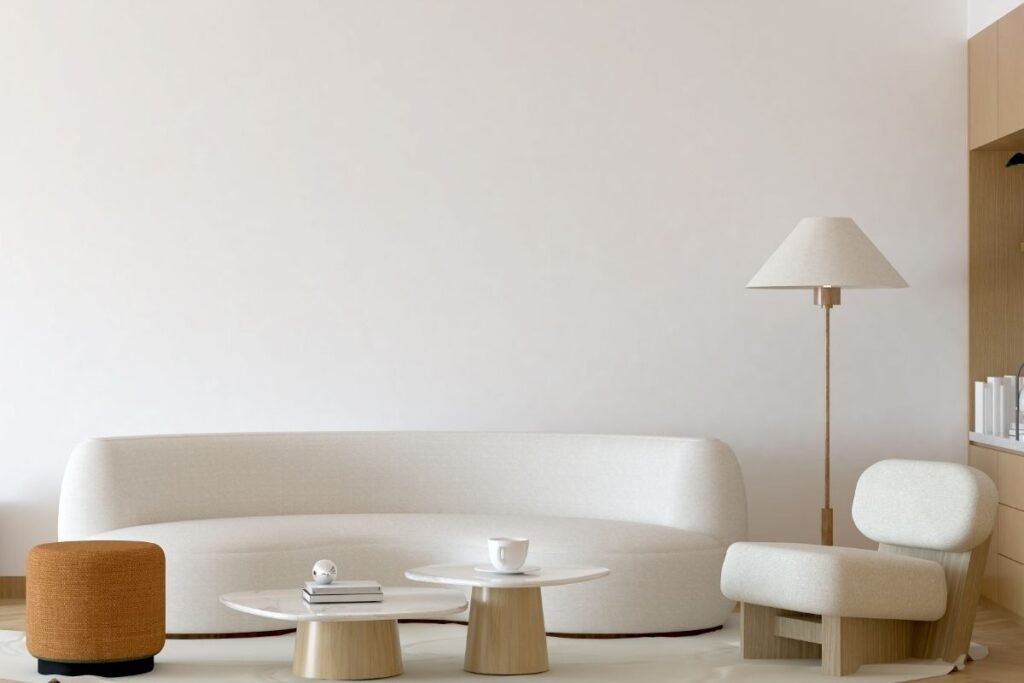
Imagine walking into your living room and immediately feeling an overwhelming sense of calm and welcome. The lighting feels just right, the seating invites you to relax, and the space reflects your personality perfectly. That’s what a great living room does for your daily life.
Most living rooms never reach this potential. They serve as functional gathering spaces but don’t create the emotional impact they could. The good news is that achieving this transformation is completely within your reach. This guide provides 28 living room ideas organized by style and function to help you create the space you’ve always wanted.
What Makes a Great Living Room?
A great living room works well for how you actually live. It’s comfortable, functional, and reflects your style. Great living rooms invite people in and make them want to stay.
Living rooms should encourage gathering and relaxation. They work for your lifestyle whether that’s entertaining, family time, or quiet retreat. Great living rooms evolve as your needs change.
Why Living Room Design Matters
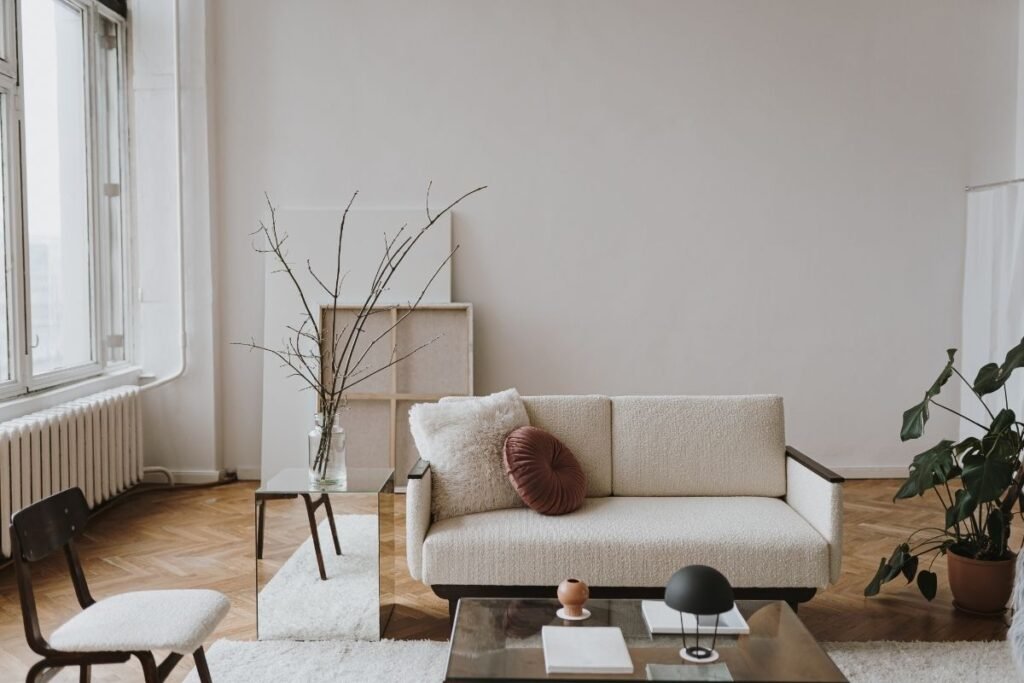
Your living room affects your daily happiness and quality of family time. When your living room feels beautiful and comfortable, your family spends more time together there. Good design improves how you actually live.
Living rooms also show your hospitality to guests. They reveal your style and personality. Good living room design increases home value and makes your space enjoyable for everyone.
Also read: Interior Design Ideas for Beginners: Beautiful Rooms You Can Create
Modern Living Room Ideas
Modern living rooms feel fresh, clean, and contemporary. These ideas create sleek, sophisticated spaces.
Idea 1: Contemporary Minimalist Living Room
Minimalist rooms use clean lines, minimal clutter, and functional pieces. They create calm, sophisticated, spacious feelings.
Use neutral colors like whites, grays, and blacks. Choose simple furniture with no ornate details. Keep surfaces clear and organized. This style works great for small spaces and busy people.
Idea 2: Modern Industrial Living Room
Industrial rooms feature exposed brick, metal accents, and raw materials. They create interesting, edgy, unique spaces.
Expose brick or concrete if possible. Add metal furniture and industrial light fixtures. Mix modern pieces with raw materials. This style suits loft spaces and creative people.
Idea 3: Mid-Century Modern Living Room
Mid-century modern combines retro and modern elements. It creates timeless, vintage-modern aesthetic.
Choose iconic mid-century furniture pieces. Use warm wood tones and geometric patterns. Add teal, orange, or gold accents. This style appeals to vintage lovers and collectors.
Idea 4: Scandinavian Modern Living Room
Scandinavian rooms are light, airy, and functional. They create bright, peaceful, simple spaces.
Use light colors, natural wood, and minimal decoration. Maximize natural light and add quality lighting. Keep spaces open and uncluttered. This style works great for small spaces and light lovers.
Idea 5: Luxury Modern Living Room
Luxury modern features high-end materials and designer pieces. It creates sophisticated, impressive spaces.
Invest in quality furniture and premium materials. Add statement lighting and designer touches. Choose sophisticated color schemes. This style suits luxury preference and entertaining.
Idea 6: Transitional Living Room
Transitional design mixes modern and traditional elements. It creates balanced, timeless aesthetic.
Mix contemporary and classic pieces intentionally. Use neutral palettes with warm accents. Balance modern lines with traditional comfort. This appeals to people who want balanced style.
Cozy and Comfortable Living Room Ideas
Cozy living rooms feel warm, inviting, and comfortable. These ideas create spaces that draw people in.
Idea 7: Cozy Traditional Living Room
Traditional rooms feel warm, inviting, and gathered. They create welcoming family spaces.
Use warm colors like creams, warm browns, and golds. Add soft textures and layered lighting. Choose comfortable, quality furniture. This style works great for families and comfort lovers.
Idea 8: Eclectic Bohemian Living Room
Bohemian rooms are colorful, textured, and artistic. They reflect personality and travel.
Mix bold colors and patterns freely. Add plants, global pieces, and collected items. Layer textures and display collections. This style suits creative people and travelers.
Idea 9: Farmhouse Living Room
Farmhouse style is rustic, warm, and cozy. It creates welcoming gathering spaces.
Use creams, warm whites, and natural wood. Add vintage fixtures and open shelving. Focus on comfort and warmth. This style appeals to comfort lovers and families.
Idea 10: Maximalist Eclectic Living Room
Maximalist rooms are bold, colorful, and artistic. They celebrate personality and creativity.
Use bold colors, mixed patterns, and interesting pieces. Display collections and art throughout. Layer textures generously. This style suits creative people and bold personalities.
Idea 11: Hygge Cozy Living Room
Hygge creates warm, peaceful, intimate spaces. It emphasizes comfort and simplicity.
Use warm neutrals, soft textures, and layered lighting. Add candles and comfortable seating. Create intimate, peaceful atmosphere. This style appeals to people seeking comfort and peace.
Idea 12: Luxury Comfortable Living Room
Luxury comfortable combines high-end comfort with sophistication. It creates impressive yet comfortable spaces.
Choose quality upholstery and premium materials. Add comfort with soft textures and good seating. Maintain sophisticated style. This suits people wanting luxury and comfort.
Small Space Living Room Ideas
Small spaces need smart design to feel large and functional. These ideas maximize small living rooms.
Idea 13: Small Space Maximizer Living Room
Space-maximizing design makes small rooms feel large. It improves functionality and flow.
Use light colors and mirrors to expand space. Choose scale-appropriate furniture. Use vertical storage and multi-functional pieces. Keep surfaces clear and organized.
Idea 14: Small Modern Living Room
Modern minimalism works perfectly for small spaces. It creates open, uncluttered feeling.
Use simple furniture and minimal decoration. Keep neutral colors with one accent. Maximize light and openness. This makes small spaces feel larger.
Idea 15: Small Cozy Living Room
Small spaces can still feel warm and inviting. Coziness works in compact rooms.
Use warm colors and soft lighting. Choose comfortable, intimate seating. Layer textiles for warmth. Small spaces create natural intimacy.
Idea 16: Small Studio Living Room
Studio apartments need multi-functional living and sleeping. Good design creates flexible spaces.
Use area rugs to define zones. Choose multi-functional furniture. Use dividers or shelving to separate spaces. This creates functional small living.
Family-Friendly Living Room Ideas
Family living rooms need comfort, durability, and functionality. These ideas create spaces that work for families.
Idea 17: Family-Friendly Durable Living Room
Durable design handles family life. It creates washable, kid-safe spaces.
Choose durable fabrics and washable surfaces. Use darker colors to hide wear. Create kid-safe design without sacrificing style. This works for active families.
Idea 18: Family Casual Living Room
Casual design creates relaxed family gathering. It emphasizes comfort over perfection.
Use comfortable, casual furniture. Create TV-focused or game-focused layouts. Use warm, casual colors. This suits active families perfectly.
Idea 19: Family Entertainment Living Room
Entertainment-focused design centers on media and gathering. It creates functional family spaces.
Arrange seating around TV comfortably. Include good storage for games and media. Create comfortable gathering space. This works for entertainment-focused families.
Idea 20: Open Concept Family Living Room
Open-plan living combines living and dining. It maximizes space and family connection.
Define separate zones with rugs and furniture. Maintain visual continuity. Create good traffic flow. This works great for modern family homes.
Entertaining and Social Living Room Ideas
Social living rooms encourage gathering and conversation. These ideas create spaces for entertaining.
Idea 21: Sophisticated Entertaining Living Room
Sophisticated design creates impressive entertaining spaces. It balances beauty and function.
Use formal seating arrangements. Create impressive focal points. Maintain sophisticated style and good flow. This works for regular entertainers.
Idea 22: Casual Social Living Room
Casual entertaining creates relaxed, welcoming spaces. People feel comfortable and invited.
Use comfortable seating and casual style. Create conversation-friendly arrangement. Keep warm, welcoming atmosphere. This suits casual entertaining style.
Idea 23: Conversation-Focused Living Room
Conversation design naturally encourages talking and connection. Seating arrangement matters most.
Arrange seating to face each other. Create intimate groupings. Remove barriers to conversation. This improves social functionality.
Idea 24: Game and Activity Living Room
Activity-focused design creates spaces for games and hobbies. It encourages active family time.
Include table space for games and activities. Create flexible furniture arrangements. Add storage for activities and games. This encourages family engagement.
Functional and Stylish Living Room Ideas
Functional style combines beauty with practicality. These ideas create livable, beautiful spaces.
Idea 25: Storage-Focused Living Room
Smart storage keeps spaces organized and beautiful. It hides clutter while showing style.
Integrate built-in shelving and storage. Use beautiful storage pieces. Keep organized systems attractive. This improves functionality and appearance.
Idea 26: Light-Filled Living Room
Light transforms spaces dramatically. Bright, airy rooms feel larger and happier.
Maximize natural light with large windows. Use light colors and reflective surfaces. Add good artificial lighting. This improves mood and perception of space.
Idea 27: Focal Point Living Room
Strong focal points organize spaces visually. They give rooms purpose and direction.
Design around natural focal point (fireplace, view, wall). Arrange furniture to highlight focal point. Let focal point guide design. This creates visual organization.
Idea 28: Balanced Style and Function Living Room
Balanced design serves both beauty and practicality. It creates truly livable beautiful spaces.
Prioritize comfort alongside style. Choose quality durable pieces. Create functional beautiful layout. This works for real-life living.
Living Room Layout Essentials
Good layout makes spaces function well. Here are layout principles that improve any living room.
Traffic flow matters greatly. Create clear pathways through the room without blocking doorways. Avoid arranging furniture to impede movement. Good flow makes spaces feel larger and function better.
Focal points organize spaces visually. Identify your room’s natural focal point (fireplace, large window, wall). Arrange furniture to highlight and face the focal point. This creates visual organization.
Conversation areas encourage interaction. Arrange seating to face each other rather than facing walls. Create intimate groupings. This naturally encourages conversation and gathering.
Zone definition helps in open spaces. Use rugs to define separate areas. Use furniture to create visual boundaries. Maintain color continuity across zones. This works great for open-concept homes.
Scale and proportion matter significantly. Choose furniture proportional to room size. Balance large and small pieces. Maintain visual harmony. This affects how spaces feel.
Living Room Furniture Essentials
Key furniture pieces create functional living rooms. Here’s what matters most.
Seating includes sofas as primary seating and accent chairs for additional seating. Ottomans add function and comfort. Choose durable, comfortable pieces.
Tables include coffee tables that anchor seating areas, side tables for convenience, and console tables for walls. Choose tables proportional to room size.
Storage includes shelving units for display, entertainment centers for media, and cabinets for organized storage. Good storage hides clutter.
Lighting includes table lamps for task light, floor lamps for flexibility, and overhead fixtures for general light. Layered lighting improves function and mood.
Comfort items include throw pillows for comfort and style, blankets for coziness, and area rugs for definition and warmth. These finishing pieces complete spaces.
Color Schemes for Living Rooms
Colors set mood and style. Here are popular living room palettes.
Neutral palettes use grays, whites, beiges, and blacks. They create calm, sophisticated spaces. Neutrals work with any style.
Warm palettes use oranges, yellows, warm reds, and warm browns. They create inviting, warm spaces. Great for gathering rooms.
Cool palettes use blues, greens, purples, and cool grays. They create calm, peaceful spaces. Good for relaxation-focused rooms.
Bold palettes use saturated colors and jewel tones. They create dramatic, artistic spaces. Balance bold with neutral for harmony.
Earth tones use browns, terracottas, and warm neutrals. They create natural, organic spaces. Work great with most styles.
Budget-Friendly Living Room Ideas
Good living rooms work at any budget. Here are affordable options.
Rearrange existing furniture for new looks without spending. Paint walls and furniture affordably. Add throw pillows, blankets, and rugs inexpensively. Shop thrifts stores for unique, affordable pieces. DIY projects add personality cheaply. Invest in one statement piece within budget. Update lighting affordably. Declutter to create cleaner look. Add wall decor and mirrors affordably. Add plants for life inexpensively.
Budget living rooms focus on creativity and intention.
Common Living Room Design Mistakes
Avoiding mistakes improves any living room. Here are pitfalls to sidestep.
No focal point makes rooms feel aimless. Always identify and highlight a focal point. Wrong scale furniture looks wrong and feels off. Choose furniture proportional to room size. Poor traffic flow makes spaces feel cramped. Create clear pathways. Too much clutter overwhelms. Keep surfaces relatively clear. Poor lighting creates harsh or dim spaces. Layer different light types. Ignoring comfort prioritizes beauty over function. Comfort must come first. No conversation areas isolates seating. Arrange for conversation. Neglecting rugs leaves furniture floating. Rugs anchor seating. Too many colors creates chaos. Stick to planned color scheme.
Avoiding these mistakes transforms any living room.
Frequently Asked Questions About Living Room Ideas
How do I arrange living room furniture?
Start with focal point, arrange seating to face it. Create conversation areas. Ensure clear traffic flow. Balance the room visually.
What size should my living room sofa be?
Choose size proportional to room. Leave 18-24 inches from walls. Should seat 2-3 people comfortably. Measure doorways before buying.
Do I need a coffee table?
Not required but serves purpose. Anchors seating, provides surface. Works well in most rooms.
How do I choose a living room color scheme?
Start with color you love. Build scheme around it. Use 60-30-10 rule (dominant, secondary, accent colors).
What’s the best lighting for living rooms?
Layer different light sources. Combine overhead, task, and accent lighting. Use dimmers for flexibility.
How can I make my small living room feel larger?
Use light colors and mirrors. Keep surfaces clear. Use vertical storage. Minimize furniture size.
Should my living room match other rooms?
Coordinate but don’t match exactly. Use similar color palette. Let each room have personality.
How do I balance style and comfort?
Choose durable fabrics. Prioritize comfort in furniture. Add style through decor and color.
Can I change my living room style over time?
Absolutely. Update gradually. Change textiles seasonally. Invest in timeless pieces.
What’s most important in living room design?
Function, comfort, and personal style matter most. Make it work for your life. Beauty follows function.
Living Room Quick Start
Getting started with living room ideas is simple. Follow these steps.
Step 1: Gather inspiration over 1-2 weeks. Create a Pinterest board of living rooms you love. Save images of spaces that appeal to you. Notice patterns in your favorites.
Step 2: Assess your space in one week. Evaluate current furniture and layout. Identify focal points and traffic patterns. Measure room and furniture.
Step 3: Plan changes over 1-2 weeks. Choose your style direction. Select color scheme. Decide on furniture needs. Set budget.
Step 4: Rearrange and update. Move existing furniture to new arrangements. Try different layouts. Add key pieces gradually.
Step 5: Refine and personalize. Evaluate new layout. Add personal touches. Adjust as needed. Enjoy your space.
Start with rearrangement and build from there.
Conclusion
Living room ideas are accessible and achievable for everyone. Great living rooms combine beauty, comfort, and function.
Start gathering inspiration this week. Create a Pinterest board of living rooms you love. Notice patterns and identify your style. Then begin implementing changes. Your beautiful, comfortable living room is closer than you think.