
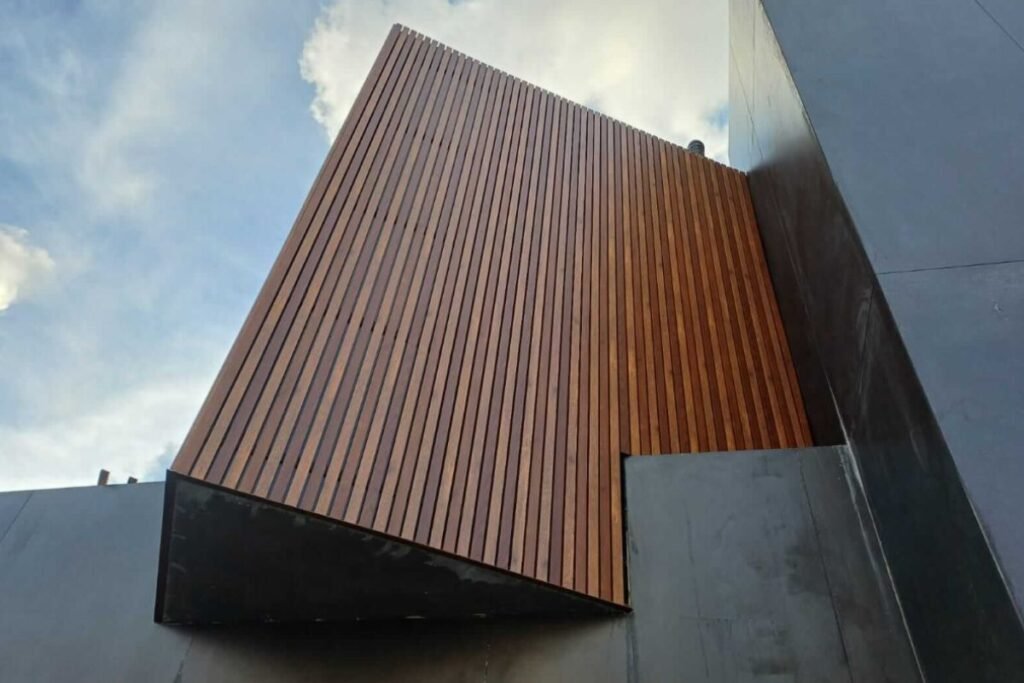
Metal siding can look sharp, clean, and modern. Roofing can do the same. But when the two do not work together, even expensive materials can make a home look awkward. One color feels too cold, one finish feels too shiny, and suddenly the whole exterior loses that polished look people want.
That is why learning how to match metal siding panels with roofing matters so much. It is not just about picking two materials you like on their own. It is about making sure they support each other, fit the style of the home, and create a balanced exterior that feels intentional from top to bottom.
Why Siding and Roofing Should Work Together
Your siding and roof are two of the biggest visual features on your home. They take up a lot of space, and together they set the mood for the whole exterior. If they clash, people notice right away. The home can feel disconnected, even if every part was high quality on its own. When they work together, though, the result feels smooth, finished, and much more attractive.
A good match also helps your home look more cared for. It gives the impression that every detail was chosen with purpose. That matters whether you are updating your forever home, building a new one, or simply trying to improve curb appeal before selling.
First Impressions Start With Exterior Harmony
Most people notice the outside of a home before anything else. The roofline, wall color, trim, and texture all create a first impression in seconds. Since the roof usually covers a big visual area, it naturally draws the eye. The siding then supports that look and helps tie the design together.
When the colors, tones, or finishes fight each other, the home can feel busy or off-balance. But when the pairing feels natural, the entire exterior looks calmer and more expensive. That is what most homeowners are after, even if they do not say it that way.
Matching Materials Can Improve Resale Appeal
Buyers pay attention to the outside of a home long before they notice small interior upgrades. A home with coordinated roofing and siding often feels newer, neater, and easier to maintain. Even if the materials are not brand new, a thoughtful exterior combination can create a stronger impression.
It also helps buyers imagine the home as move-in ready. They do not have to mentally fix strange color choices or wonder whether the outside needs work. That kind of visual confidence can go a long way.
Understand the Basics of Metal Siding Panels and Roofing
Before you match anything, it helps to understand what you are working with. Metal siding panels come in several styles, and roofing materials do too. Some pairings feel seamless because the lines, finish, or texture are naturally compatible. Others can still work well, but they need more attention to color and detail.
Matching does not mean the siding and roof need to be identical. In fact, exact sameness can sometimes make the home look flat. What you want is coordination. The materials should feel related, not copied.
Common Types of Metal Siding Panels
Metal siding panels are available in styles that can completely change the personality of a home. Corrugated panels feel more industrial or farmhouse-inspired. Standing seam panels look clean, sleek, and modern. Ribbed or architectural panels can fall somewhere in between, depending on the profile and finish.
Each one creates its own shadow lines and texture. That means the same paint color can look different from one panel type to another. When choosing roofing, you have to think about how those lines will interact with the roof shape and material.
Common Roofing Materials Paired With Metal Siding
Metal siding panels can work with more than just metal roofing. Many homes pair them with asphalt shingles, tile, or composite roofing. Metal roofing usually gives the most modern and cohesive look, especially on contemporary homes. Asphalt shingles are more common and can still work beautifully when the color is chosen carefully.
Tile roofs create a heavier, more textured look, so the siding usually needs to be simpler. Composite roofing offers flexibility and can mimic more premium finishes without demanding the exact same style commitment.
Start With the Overall Style of the Home
One of the biggest mistakes homeowners make is starting with color before thinking about style. A color you love might still look wrong if it does not fit the shape and personality of the home. The exterior should feel like one complete idea, not a pile of separate choices.
A modern home usually looks best with cleaner lines, minimal contrast, and more refined finishes. A rustic or farmhouse home often benefits from softer tones and warmer texture. Industrial-style homes can handle bolder pairings, while classic suburban homes usually need something more balanced and familiar.
Matching Metal Siding Panels With Modern Roof Designs
Modern homes look best when the roof and siding feel crisp and controlled. Clean lines, neutral colors, and a limited palette often work very well here. Charcoal, black, slate gray, soft white, and muted taupe are common favorites because they feel sharp without being too loud.
If your siding has a smooth or standing seam look, pairing it with a sleek metal roof often creates the strongest result. Too much contrast can sometimes break that modern feel, so many homeowners choose similar shades with slight variation rather than strong light-dark combinations.
Best Roofing Matches for Farmhouse and Rustic Homes
Farmhouse and rustic homes usually look better with a little softness. Harsh, shiny finishes can feel out of place. Matte roofing, warm grays, earthy browns, faded black, bronze, and weathered tones often work better because they add charm instead of feeling too commercial.
Metal siding panels on these homes can still look beautiful, especially when balanced with wood accents, stone, or traditional trim. The trick is to avoid making the home feel cold. A warm roof tone can help bring in character and keep the look inviting.
Industrial and Contemporary Exterior Pairings
Industrial and contemporary homes have more room to be dramatic. Dark siding, black roofing, silver metallic tones, and bold contrast can look fantastic here. These homes can carry sharper finishes and cleaner geometry without feeling too harsh.
This is often where metal siding panels really shine. Their structured look works naturally with bold roof profiles, dark window frames, and simple trim. When done right, the whole home feels confident and architectural.
Choose a Color Strategy Before Anything Else
Color is usually the first thing people notice, and it has the biggest impact on whether your siding and roofing feel coordinated. But picking colors is not just about choosing shades you like. You also need to pay attention to undertones, depth, and how the colors behave in real daylight.
A roof color that seems neutral on a small sample may lean blue, brown, or green once it is installed across a large surface. The same goes for siding. That is why color strategy matters more than isolated swatches.
Match Undertones, Not Just Main Colors
This is where many homeowners get tripped up. Two grays can look completely wrong together if one is warm and the other is cool. A beige metal siding panel with a cool charcoal roof can feel disconnected. A soft warm gray siding paired with a warm dark roof, though, can look polished and effortless.
Try to group colors by temperature. Warm shades usually pair best with other warm shades. Cool tones usually feel more natural with other cool tones. Once you notice undertones, matching gets much easier.
Use Contrast Carefully
Contrast can look stunning when it is handled well. A dark roof with light metal siding panels is a classic combination because it creates structure and visual balance. It can also help smaller homes look taller and more open. White, off-white, pale gray, and light beige siding often work beautifully under black or charcoal roofing.
But too much contrast can also feel harsh, especially on homes with complex shapes or lots of trim. If the roof is very dark and the siding is very bright, every line and angle becomes more obvious. Sometimes that is great. Sometimes it just makes the home feel busy.
Monochrome vs Complementary Color Pairings
A monochrome look uses shades from the same family, like medium gray siding with deep charcoal roofing. This style often feels modern, clean, and expensive. It works especially well on homes with simple architecture where you want the shape and materials to do the talking.
Complementary pairings create more variation. Think bronze roofing with taupe siding, or dark green roofing with earthy neutral panels. These combinations can feel warmer and more personal. They are often a strong choice for homes in natural settings or traditional neighborhoods.
Coordinate Texture and Finish
Even when the color looks right, texture and finish can still throw everything off. A glossy roof with heavily textured siding can feel mismatched. A matte roof with smooth modern panels usually looks more balanced. Finish changes how light hits the material, and that changes the whole look of the exterior.
This is one of those details people often skip at first, then regret later. The shine level matters more than many homeowners expect.
Matte vs Glossy Exterior Finishes
Matte finishes usually look more current and subtle. They reduce glare, feel softer to the eye, and often work better for residential homes. They also tend to make dark colors look richer and more refined.
Glossy finishes can work, but they often feel more commercial or utility-focused. In some cases they may highlight imperfections or create too much reflection in bright sunlight. If you want a calm, modern exterior, matte is often the safer choice.
Smooth Panels vs Textured Roofing
If your siding panels are sleek and smooth, a heavily textured roof might create too much visual competition. On the other hand, if your roof has a lot of dimension, a simpler siding profile can help balance things out. You want one feature to lead and the other to support it.
Think of it like getting dressed. If one piece is bold, the other should help complete the look instead of fighting for attention. Homes work the same way.
Balance Visual Weight Between Roof and Walls
Roofing often feels visually heavier than siding, especially in darker colors. That means the roof can dominate the look of the home if the siding does not balance it properly. Understanding this helps you create an exterior that feels grounded, not top-heavy.
The goal is not always to reduce that weight. Sometimes a dramatic roof is exactly what gives a home character. You just need the siding to support that decision.
When to Use Dark Roofing With Lighter Metal Siding Panels
This is one of the most reliable combinations out there. A dark roof anchors the home, while lighter siding keeps the walls feeling open and fresh. It works well on many architectural styles and tends to age gracefully from a design standpoint.
It is especially useful when you want the house to look clean and updated without taking huge style risks. This pairing also helps showcase windows, trim, and landscaping nicely.
When to Use Similar Depth Across Both Surfaces
Using similar color depth for the roof and siding creates a more blended look. This works especially well for contemporary homes where you want a seamless exterior. Deep gray siding with a slightly darker gray roof can look sophisticated without feeling flat, as long as the undertones match.
This approach is less dramatic but often more refined. It makes the home feel cohesive and intentional, which is exactly what many modern designs need.
Think About Climate and Surroundings
Your home does not sit in a vacuum. Sunlight, weather, landscaping, neighborhood style, and even dust levels all affect how your exterior looks day to day. A combination that looks amazing in one setting may feel wrong in another.
That is why it helps to step back and think about the environment around the home before you commit to siding and roofing colors.
Exterior Colors That Work Well in Sunny Areas
Homes in very sunny areas often benefit from lighter siding and heat-reflective finishes. Light gray, soft beige, off-white, and pale greige can stay looking crisp while helping reduce heat absorption. Roofing in medium or slightly darker tones can still work, but very dark roofs may look more intense under strong sun.
Bright light also makes colors appear stronger. A sample that seems subtle indoors might look much bolder outside. That is another reason testing matters.
Best Combinations for Rural or Natural Settings
Homes surrounded by trees, open land, or natural stone often look best in grounded, earthy colors. Weathered gray, soft brown, dark green, muted bronze, and warm charcoal usually blend beautifully with the landscape.
Metal siding panels in these shades can feel very natural when paired with the right roof. Instead of trying to stand out aggressively, the house feels rooted in its setting. That often creates a timeless look.
Urban Homes and Bold Roofing Matches
Urban homes can usually handle stronger contrast and darker palettes. Black roofing, slate tones, crisp white siding, and steel-inspired finishes often look right at home in city settings. These combinations feel sharp, modern, and clean against pavement, neighboring structures, and minimalist landscaping.
This is a great place to use bold metal siding panels without making the home feel too severe. The environment helps support that confident look.
Match Trim, Gutters, and Accents Too
Siding and roofing do not work alone. Trim, gutters, fascia, windows, doors, and flashing all affect the final result. These details can quietly tie everything together, or they can ruin the whole look if they feel random.
Many homeowners spend weeks choosing siding and roofing, then treat the trim like an afterthought. That is usually a mistake.
Why Trim Color Can Make or Break the Exterior
Trim acts like a bridge between the major surfaces of the home. It frames the siding, outlines the roofline, and helps define the architecture. A trim color that supports both the roof and siding can make the whole exterior feel finished.
For example, if you have dark roofing and light metal siding panels, dark trim can echo the roof and create continuity. Softer trim can also work if you want a more relaxed look. It depends on the home style, but the main point is that trim should feel connected, not random.
Gutters, Fascia, and Flashing Should Not Be an Afterthought
These pieces may seem small, but they are visible enough to affect the design. Gutters that clash with the roofline or flashing that stands out awkwardly can distract from an otherwise beautiful exterior.
In most cases, it works best to either match these elements to the roof or let them blend quietly with the trim. The cleaner and more consistent they feel, the more polished your home will look.
Popular Color Combinations for Metal Siding Panels and Roofing
Sometimes it helps to start with proven combinations. These pairings are popular because they tend to work across many home styles and lighting conditions.
A charcoal roof with light gray metal siding panels creates a smart, modern look that feels safe but stylish. A black roof with off-white or white panels gives stronger contrast and a crisp finish. Bronze roofing with beige or taupe siding feels warmer and more traditional. Dark green roofing with earth-toned panels works beautifully in wooded or rural settings. Silver metal roofing with deep gray siding can look modern and slightly industrial in a very appealing way.
These combinations are not the only good ones, of course. But they are a great starting point if you want something balanced and easy to build on.
How to Test Your Siding and Roofing Combination Before Buying
Testing is one of the smartest steps you can take. It saves money, reduces regret, and gives you a clearer idea of how the finished home will actually look.
Start by getting real samples whenever possible. Place the roofing and siding samples together outside and look at them in natural light. Check them in the morning, midday, and late afternoon. A combination that looks perfect in soft light may feel totally different in full sun.
It also helps to place the samples next to trim, brick, stone, or any existing exterior feature that will stay. That gives you a more honest picture of the final result. Some manufacturers also offer visualizer tools or mockups, which can be useful for narrowing options before you commit.
Should Your Roofing and Siding Match Exactly?
No, not exactly. In most cases, exact matching is not even the best choice. What matters more is that the siding and roofing feel coordinated. They should share compatible undertones, balanced contrast, and a finish that makes sense together.
A little variation often makes the home look more dynamic and professionally designed. Exact sameness can sometimes make the exterior feel flat or too uniform. Think connection, not duplication.
FAQs
What color roof goes best with metal siding panels?
It depends on the siding color and the home style, but charcoal, black, bronze, and slate are some of the most versatile options. The best result usually comes from matching undertones rather than simply choosing a popular color.
Can you mix metal siding panels with asphalt shingle roofing?
Yes, absolutely. Metal siding panels can look great with asphalt shingles as long as the color and style feel balanced. This is a common combination on many residential homes.
Should metal siding panels be lighter or darker than the roof?
There is no one rule, but lighter siding with a darker roof is one of the safest and most attractive combinations. It creates contrast and helps the home feel balanced.
Do metal siding panels and roofing need the same finish?
No, but the finishes should feel compatible. A matte roof and matte or low-sheen siding usually create a more cohesive residential look than mixing very glossy and very flat surfaces.
How do I test if my siding and roofing match well?
Use real samples outdoors in natural light. View them at different times of day and next to trim, stone, brick, or any other exterior materials that will stay in place.
Final Tips for Creating a Cohesive Exterior Look
If you want your home to look polished, start with the big picture. Think about the style of the house, the setting around it, the amount of contrast you want, and how the roof and siding will feel together in real daylight. Pay attention to undertones, finish, and texture, not just the basic color name on a sample card.
Most of all, remember that how to match metal siding panels with roofing is really about creating harmony. When the materials support each other, the whole home feels stronger, cleaner, and more intentional. That kind of exterior does not just look good for a season. It keeps working year after year.