
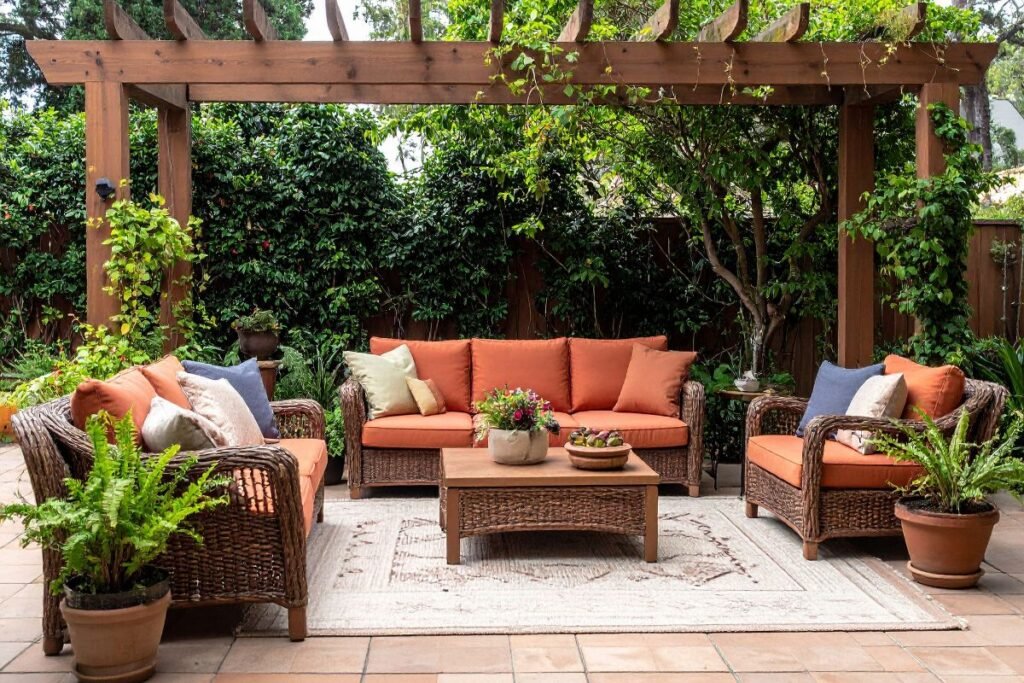
When you’re planning to add a pergola to your outdoor space, one of the first decisions you’ll face is whether to embrace a classic, rustic aesthetic or opt for a contemporary, modern design. Both approaches offer distinct advantages, and the right choice depends on your personal style, your home’s architecture, and how you plan to use the space.
Whether you’re searching for a timber pergola solution or looking to enhance your outdoor living space understanding the difference between rustic and modern styles is essential. Let’s explore what makes each style unique and help you determine which direction aligns with your backyard vision.
Understanding the Two Styles
What Defines Rustic Timber Pergolas?
Rustic pergolas celebrate natural materials and traditional craftsmanship. These structures prioritize the raw beauty of wood, showcasing its grain, knots, and character. Heavy timber beams, exposed posts, and ornamental details like curved or arched elements define the rustic aesthetic. The wood is typically left with a stained or weathered finish that deepens over time, creating a warm, inviting atmosphere that feels grounded in nature.
Rustic designs often incorporate additional natural elements: trellises for climbing vines, decorative brackets, and carved details that add layers of visual interest. The overall effect is one of timelessness, tradition, and a connection to the landscape.
What Defines Modern Timber Pergolas?
Modern timber pergolas prioritize clean lines, minimalist profiles, and refined functionality. These structures balance wood with other materials like black powder-coated steel or concrete, creating visual contrast while maintaining a sophisticated aesthetic. Hidden fasteners, integrated lighting systems, and sleek proportions characterize the modern approach.
The wood in modern designs is often carefully selected for consistent color and grain, then finished to highlight its natural beauty without the distressed patina of rustic styles. The emphasis is on precision engineering and seamless integration with contemporary home architecture.
Material Choices and Wood Selection
Premium Timber for Rustic Designs
When building a rustic timber pergola, wood selection is paramount. Western Red Cedar is the premier choice for rustic aesthetics because of its warm reddish-brown tones that weather beautifully to a distinguished silver-gray patina over time. Cedar’s natural oils provide built-in resistance to moisture, decay, and insects without requiring chemical treatments.
Douglas Fir is another excellent choice for rustic pergolas, especially if you’re designing larger structures that require exceptional strength. Its beautiful grain pattern and cost-effectiveness make it popular for exposed-beam designs that showcase the wood’s character.
Premium Timber for Modern Designs
Modern pergolas also benefit from Western Red Cedar and Douglas Fir, but the application is different. In modern designs, these woods are selected for dimensional stability and precise color matching, then finished to maintain a consistent appearance. The wood becomes a design element in a larger composition that includes steel accents and contemporary materials.
Alternatively, modern pergolas increasingly incorporate composite materials and aluminum frames that mimic wood’s warmth while eliminating maintenance concerns and providing superior longevity.
Design Features and Aesthetic Elements
Rustic Design Features
Heavy timber and exposed beams form the foundation of rustic pergola designs. A popular option is the 10×12 cedar pergola, which provides ample overhead coverage while showcasing substantial wood members. Curved or ornamental details such as arched beams, carved posts, and decorative accents distinguish rustic styles from their modern counterparts.
Natural finishes are essential to the rustic appeal. Allowing the wood to weather naturally or applying transparent stains that enhance the grain creates an organic feel that improves with age. Rustic pergolas often feature traditional open-beam construction that celebrates the structural elements as design features.
Modern Design Features
Clean lines, minimalist profiles, and hidden fasteners define modern pergola design. Rather than celebrating every beam, modern structures integrate them seamlessly into the overall composition. Black powder-coated steel supports provide contemporary contrast, while integrated LED lighting systems add functionality without cluttering the visual space.
Retractable shade systems, motorized louvers, and smart home integration transform modern pergolas into weather-adaptive outdoor rooms. The design philosophy prioritizes versatility, with the pergola serving as a foundation for multiple functions: dining, entertaining, working, or relaxing.
Functionality and Year-Round Use
Rustic Pergolas: Traditional Shade and Ambiance
Rustic timber pergolas excel at creating a classic, comfortable retreat. Their open structure provides dappled shade during summer months while allowing winter sunlight to penetrate, making them seasonally responsive without active intervention. The natural materials age gracefully, developing character and patina that enhance the design over time.
For homeowners who value simplicity and minimal maintenance technology, rustic pergolas offer straightforward functionality. Add climbing vines, lantern-style lighting, and comfortable seating, and you’ve created a timeless outdoor sanctuary.
Modern Pergolas: Smart Technology and All-Season Comfort
Modern timber pergolas leverage contemporary technology to extend outdoor living across all seasons. Adjustable louvered roofs, motorized retractable awnings, and integrated lighting systems allow you to control sunlight, temperature, and ambiance at the push of a button or through your smartphone.
Smart home integration means your pergola can work with your home automation system, adjusting lighting, temperature, and even audio based on time of day, weather conditions, or your preferences. Infrared heaters and retractable side panels transform shoulder seasons into comfortable entertaining periods.
Installation and Longevity
Rustic Pergola Installation
Rustic timber pergolas often employ traditional joinery techniques like mortise-and-tenon connections that have proven themselves over centuries. Master craftspeople use these methods to create structures built to last for generations. The inherent beauty of the wood and joinery becomes part of the design, requiring no concealment.
Installation typically involves setting posts deep into foundations rated for local snow and wind loads. Rustic pergolas, when built with quality materials and proper technique, develop character over time but require periodic maintenance to preserve the wood and address weathering.
Modern Pergola Installation
Modern pergolas combine precision engineering with contemporary construction standards. Hidden fasteners and engineered connections create clean sight lines. These structures are designed for easy assembly and customization, often available as modular systems that allow for future upgrades or adjustments.
Installation focuses on meeting modern building codes and wind/snow load requirements, particularly in climate-variant states. Many modern pergolas are engineered to withstand hurricane-force winds or heavy snow loads, making them ideal for challenging climates.
Maintenance Requirements
Caring for Rustic Timber Pergolas
Rustic timber pergolas require regular maintenance to preserve their wood and longevity. Annual inspection for signs of moisture damage, insect activity, or structural issues is essential. Depending on your climate and the finish applied, you may need to reapply sealant or stain every 2 to 3 years.
The upside is that this maintenance becomes part of the ritual of living with a natural material. Many homeowners embrace the evolving patina and weather, viewing minimal intervention as part of the design philosophy.
Maintaining Modern Timber Pergolas
Modern timber pergolas that incorporate metal frames or composite materials generally require less maintenance than purely rustic designs. However, wood components still benefit from periodic inspection and care. Aluminum and steel frames require minimal upkeep but may benefit from occasional cleaning to maintain their finish.
Smart systems and integrated components require professional servicing if they malfunction, adding a technical dimension to maintenance that rustic structures avoid.
Cost Considerations
Budget for Rustic Timber Pergolas
Quality rustic timber pergolas built from premium Western Red Cedar or Douglas Fir represent a significant investment, but they offer exceptional longevity. When constructed with traditional joinery and proper installation, these structures can last for decades with appropriate maintenance.
Custom rustic designs from skilled craftspeople command premium prices, but you’re paying for artisanal construction and materials that age beautifully. Many homeowners view this as a long-term investment that adds character to their property.
Budget for Modern Timber Pergolas
Modern pergolas that incorporate smart technology, motorized systems, and engineered components carry higher upfront costs. However, they often offer better long-term value through reduced maintenance and extended seasonal functionality.
Modular modern pergolas provide more affordable entry points, allowing you to start with a basic structure and add features like motorized louvers, lighting systems, or heating elements over time.
Climate Considerations: USA and Canada Timber Pergolas
Rustic Pergolas in Different Climates
Rustic timber pergolas perform exceptionally well in most climates, particularly in regions with moderate precipitation. In very wet climates, choosing naturally rot-resistant woods like Cedar is essential. In arid climates, rustic pergolas develop beautiful weathered finishes with minimal intervention.
Snow-prone regions require careful design to ensure the structure can handle heavy loads. Rustic designs with substantial timber members are often preferred in these areas for their inherent strength and traditional proven reliability.
For homeowners seeking timber pergola USA solutions, rustic designs are particularly popular in the Pacific Northwest, where the climate favors naturally rot-resistant Cedar. In warmer regions like the Southwest and Southeast, rustic pergolas integrate beautifully with regional architectural styles while providing practical shade and ventilation.
Modern Pergolas for Extreme Weather
Modern pergolas with aluminum or steel frames excel in challenging climates. Hurricane-prone areas benefit from engineered wind resistance. Cold, snowy regions can incorporate retractable roofing systems to manage snow accumulation. The technology integrated into modern designs makes them adaptable to extreme conditions.
Prairie and prairie-like climates benefit particularly from modern pergolas that include wind protection, adjustable shade, and seasonal heating or cooling options. Homeowners in Saskatchewan, Alberta, and similar regions appreciate the year-round functionality modern designs provide.
For those investing in a timber pergola Canada, modern designs are increasingly popular because they address the unique challenges of Canadian climates. Winter snow loads, summer thunderstorms, and variable seasonal conditions are all managed by engineered modern pergolas with adjustable louvers, retractable roofing, and integrated climate control. Additionally, many Canadian homeowners prefer the durability and low-maintenance qualities of modern designs when factoring in harsh weather patterns and longer maintenance seasons due to winter weather.
Which Style Suits Your Backyard?
Choose Rustic If You Prefer:
- Natural materials and the evolving patina of aged wood
- Low-tech, straightforward outdoor spaces
- Traditional craftsmanship and artisanal construction
- A design that feels timeless and grounded in nature
- Minimal ongoing technology maintenance
- Creating a cozy, intimate retreat atmosphere
Choose Modern If You Prioritize:
- Clean lines, minimalist aesthetics, and contemporary design
- Year-round functionality and weather adaptability
- Smart technology and remote control convenience
- Reduced maintenance requirements
- Integration with your home’s contemporary architecture
- Multi-functional outdoor living spaces
The Hybrid Approach: Best of Both Worlds
Don’t feel constrained to choose strictly one direction. Increasingly popular hybrid timber pergola designs merge rustic wood with sleek metal supports, providing the warmth and character of traditional materials alongside the functionality and longevity of modern engineering.
A hybrid pergola might feature exposed cedar beams with black powder-coated steel posts, integrated LED lighting that looks minimal yet provides sophisticated ambiance, and a retractable shade system that extends the structure’s usability without dominating the visual design. This approach appeals to homeowners who appreciate both traditional beauty and contemporary convenience.
Making Your Decision
Start by walking around your backyard and visualizing how the pergola will relate to your home’s architecture, your landscape, and how you actually use outdoor space. Consider these practical questions:
- How much time are you willing to spend on maintenance? Rustic designs require more hands-on care; modern systems need occasional professional servicing.
- What’s your aesthetic priority? Does warm, natural wood character matter more than clean minimalism, or do you value both equally?
- When will you use the pergola most? If you entertain year-round, modern climate control is valuable. If summer entertaining is your focus, a rustic design may suffice.
- What’s your home’s architectural style? Contemporary homes often look better with modern timber pergolas, while farmhouses and cottages align naturally with rustic designs.
- What’s your budget range? Premium rustic designs and technology-enhanced modern pergolas both command significant investment, but for different reasons.
Conclusion
The choice between rustic vs. modern timber pergolas ultimately reflects your personal values, lifestyle, and aesthetic preferences. Both styles deliver beautiful, functional outdoor living spaces that can transform your backyard into an extension of your home.
Rustic timber pergolas offer timeless charm, natural beauty, and a connection to traditional craftsmanship. Modern pergolas provide flexibility, year-round functionality, and seamless integration with contemporary home design. And if you love both approaches, a hybrid design might be your perfect solution.
Whether you’re investing in a timber pergola USA project or planning a timber pergola Canada installation, both rustic and modern designs are available from quality builders and suppliers in your region. Take time to explore examples of both styles, visit installations if possible, and consult with builders or designers who specialize in the approach that resonates with you.
Whatever you choose, you’re investing in an outdoor structure that will provide beauty, functionality, and memories for years to come.